



ERC


“The European Research Council (ERC) was established to support groundbreaking research across all scientific fields, pushing beyond what we know.” 

Maria Leptin, ERC President (2024)

The European Research Council (ERC) is a funding organization dedicated to promoting exceptional, innovative research. Aiming to expand human knowledge and discover new ways to deal with pressing challenges, The ERC is leveraging promising researchers of any age and nationality. The ERC grants are open to researchers from all disciplines, running projects across Europe.

In 2023, 2,130 applications were submitted for the Consolidator Grant, of which only 308 were selected. Among the recipients was Prof. Sigal Zilcha-Mano, director of the Psychotherapy Research Lab at the University of Haifa, who received the grant to explore how synchrony between individuals can become curative.

This grant creates exciting opportunities for our lab to improve existing depression treatments. This will be done through developing effective approaches of treatments tailored to each individual’s needs and characteristics.

What is Synchrony?

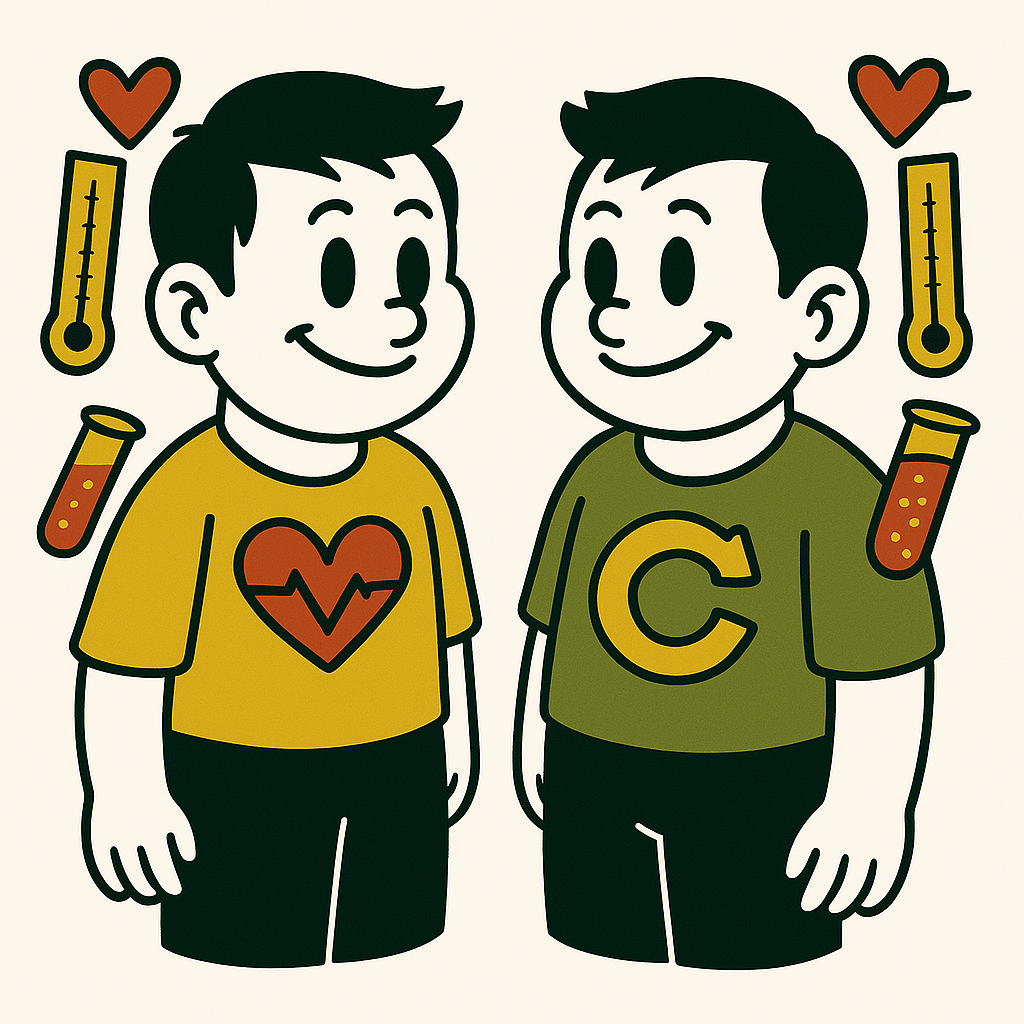
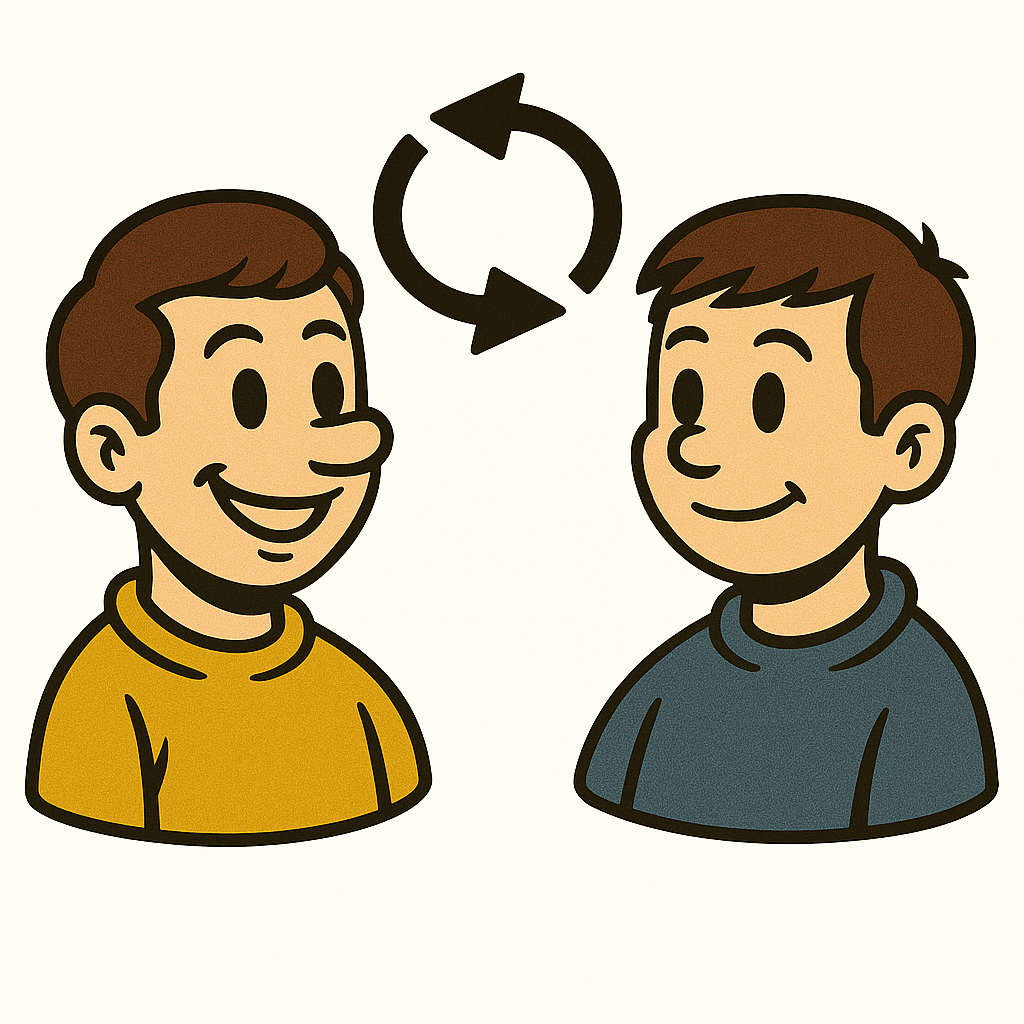
Human beings constantly go in and out of interpersonal interactions in their daily lives; these interactions are assumed to have critical effects on mental health. But how such interactions affect mental health is poorly understood. We suggest that interpersonal synchrony is an individual-specific mechanism underlying curative relationships. Synchronization can manifest in coordination across various measures such as heart rate, movement levels, or voice tone.

Synchronization can manifest in coordination across various measures such as heart rate, movement levels, or voice tone.

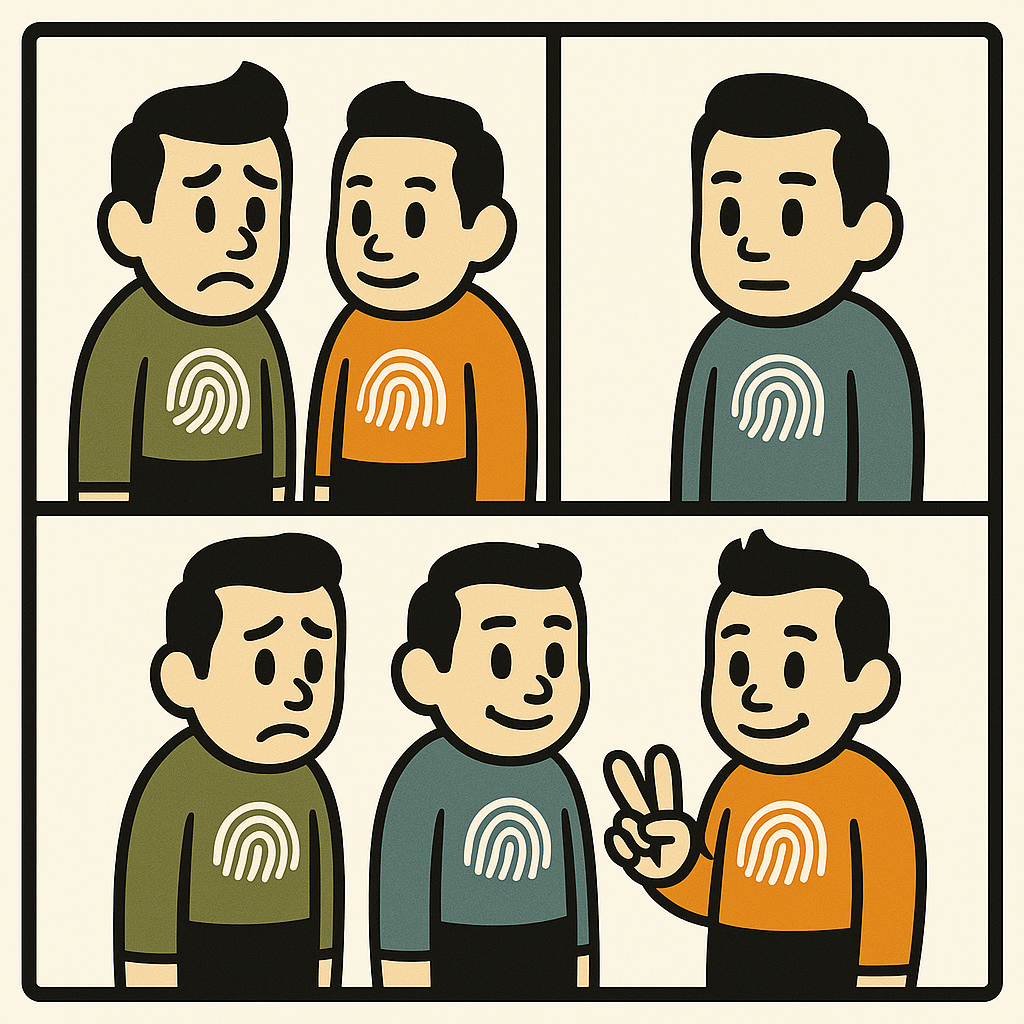
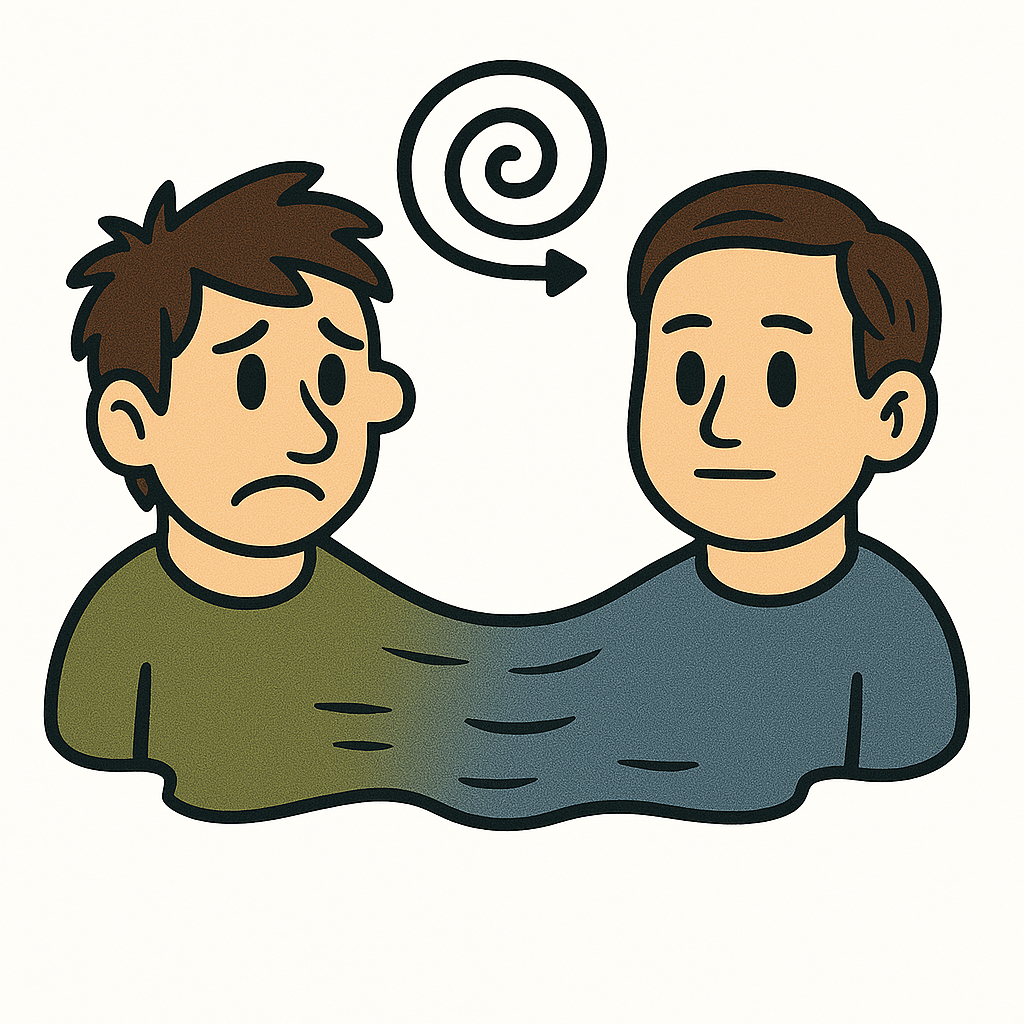
 We seek to go beyond the one-size-fits-all “the higher the synchrony the better” theoretical assumption, proposing that individuals have their own individual-specific trait-like synchrony signature manifested across interacting partners. To define a person’s synchronization signature, we might ask: In what ways do they tend to synchronize with others, in comparison to the general population? Within their capacity for synchronization, when and with whom are they more likely to sync?

We propose individuals have their own individual-specific trait-like synchrony signature manifested across interacting partners.

How can synchrony become curative?

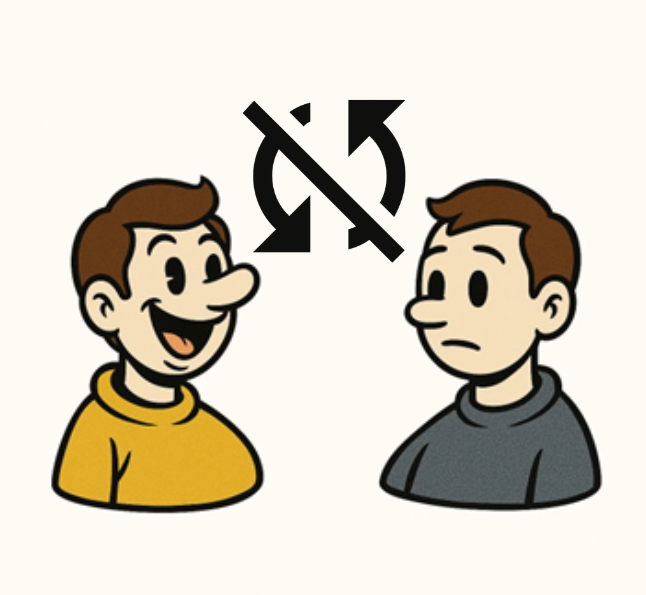
We propose that to make interactions curative, it is necessary to introduce an individually tailored correction to the synchrony signature. That is, the amount and direction of  changes in synchrony must be guided by the individual’s unique signature.

We propose that to make interactions curative, it is necessary to introduce an individually tailored correction to the synchrony signature.

Our innovative approach to developing an individual-specific understanding of synchrony focuses on curative interactions that are bounded in time and space: specifically, the therapeutic relationship between the client and therapist. We are leveraging Virtual Reality (VR) technology to investigate the existence of individual-specific synchrony signatures and explore how personalized transformations of these signatures can serve as the mechanism for turning  relationships into curative ones.

We are leveraging Virtual Reality (VR) technology to investigate the existence of individual-specific synchrony signatures and how personalized transformations to these signatures serve as the mechanism for turning relationships into curative ones.

International Researchers' Visits as Part of the ERC Project

In May 2025, we had the honor of hosting Dr. Fabian Ramseyer, who developed the MEA synchronization software, used in movement synchronization research around the world. During his visit, Dr. Ramseyer worked with us on implementing a real-time movement synchronization analysis system in our lab. This system will contribute to groundbreaking research on integrating real-time feedback for therapists during psychotherapy sessions.
At the end of May 2025, we were fortunate to welcome three leading researchers in the field of synchronization:

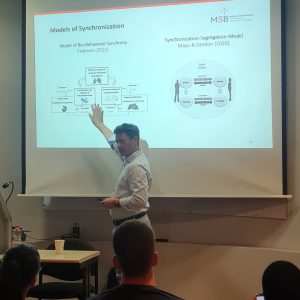
Prof. Uwe Altmann – Professor of Psychology at MSB Medical School Berlin. His main research areas include nonverbal communication in psychotherapy- particularly movement and physiological synchronization between therapist and client, as well as the evaluation of therapies including their health economic aspects.
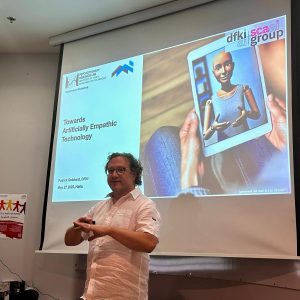
Prof. Patrick Gebhard – principal researcher at the German Research Center for Artificial Intelligence (DFKI) in Saarbrücken, and head of the Affective Computing Group since 2007. His work focuses on the development of computational models of human emotions and internal processes, aligned with psychological theories and interactive systems involving social agents, with a particular emphasis on empathetic interactions in therapeutic computer-based systems.
Prof. Wolfgang Tschacher – Professor of Psychology at the University of Bern. His research focuses on the mind-body interface in psychotherapy, with an emphasis on nonverbal synchronization, embodiment approaches, and dynamic systems theory. His work integrates time-series analysis, self-organizing processes, and mathematical modeling to explore therapeutic processes.
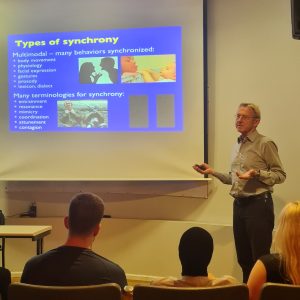
During their visit to the lab, the researchers conducted professional workshops on synchronization for our research team. The visit fostered personal and enriching exchanges and strengthened international collaboration


Collaborations

We collaborate with colleagues at leading universities around the world. To date, we have partnered with over 100 universities in more than 20 countries.

Lorem ipsum dolor sit amet, consectetur adipiscing elit. Ut elit tellus, luctus nec ullamcorper mattis, pulvinar dapibus leo.

Lorem ipsum dolor sit amet, consectetur adipiscing elit. Ut elit tellus, luctus nec ullamcorper mattis, pulvinar dapibus leo.